
Tile Resurfacing vs. Replacement: What Long Beach Homeowners Need to Know


Understanding Tile Resurfacing and Replacement
When it comes to updating the look of your home, tile surfaces are often a focal point. Whether it's the bathroom, kitchen, or flooring, homeowners in Long Beach have two primary options: tile resurfacing or complete replacement. Each option has its own benefits and considerations, making it crucial to understand which is best for your needs.
What is Tile Resurfacing?
Tile resurfacing, also known as refinishing, involves applying a new surface layer over existing tiles. This process can quickly revitalize worn or outdated tiles without the need for a full tear-out. It's an excellent choice for those looking to refresh the look of their space without the hassle of a major renovation.
Benefits of Tile Resurfacing
One of the primary benefits of tile resurfacing is cost-effectiveness. Resurfacing is typically much less expensive than replacing tiles, making it a budget-friendly option. Additionally, the process is faster, often completed in just a few days, minimizing disruption to your home life.

Understanding Tile Replacement
Tile replacement involves removing existing tiles and installing new ones. This option is ideal for homeowners who want to completely change the style or need to address underlying issues such as water damage or uneven surfaces.
Benefits of Tile Replacement
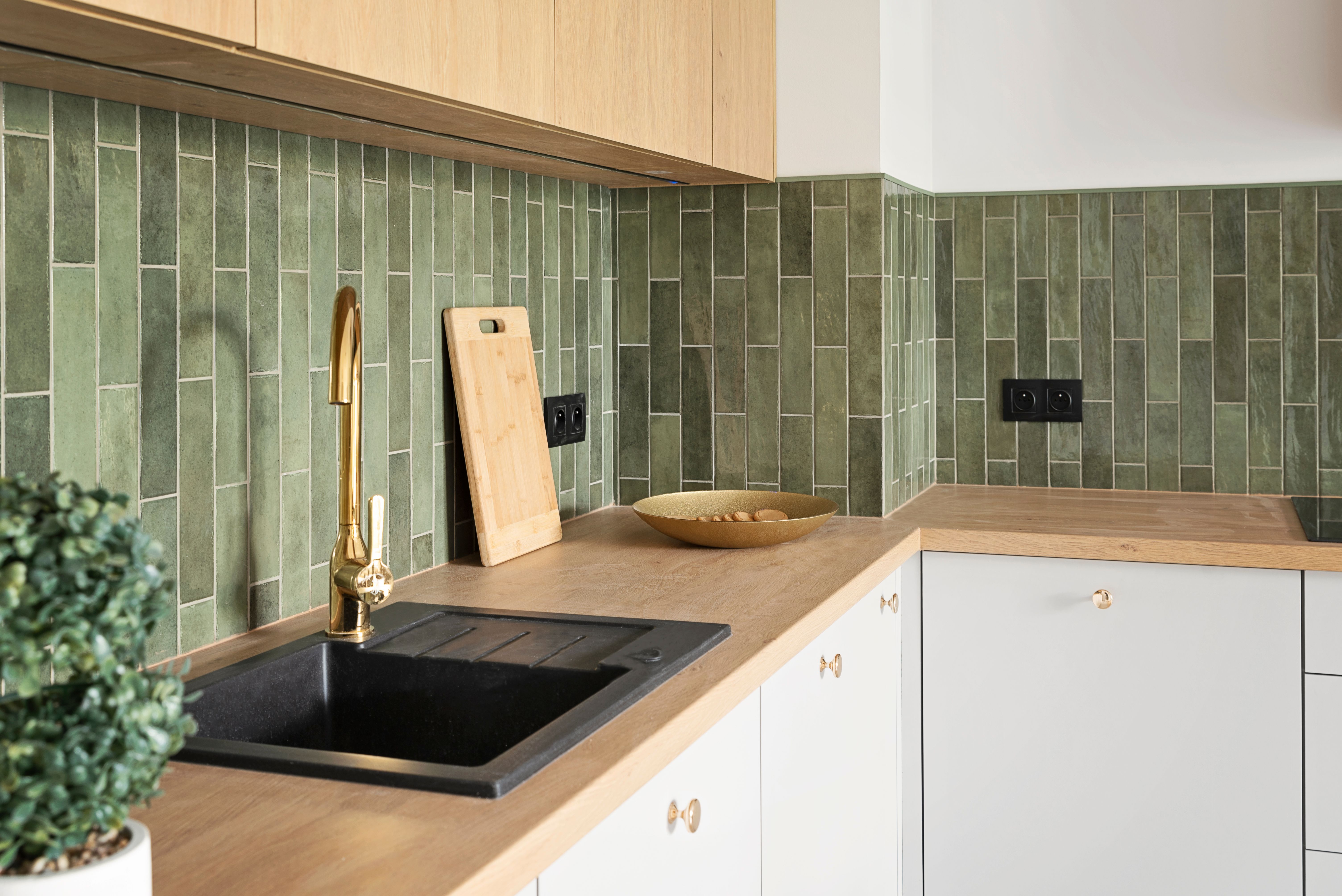
Replacing tiles offers the opportunity to fully customize your space. You can choose new designs, materials, and layouts to suit your taste. Additionally, replacement can address structural concerns, ensuring your surfaces are not only beautiful but also durable and safe.
Considerations for Long Beach Homeowners
When deciding between resurfacing and replacement, consider the condition of your existing tiles. If they're in good shape but just look outdated, resurfacing might be sufficient. However, if there are cracks, chips, or underlying issues, replacement could be the better option.
Environmental Impact
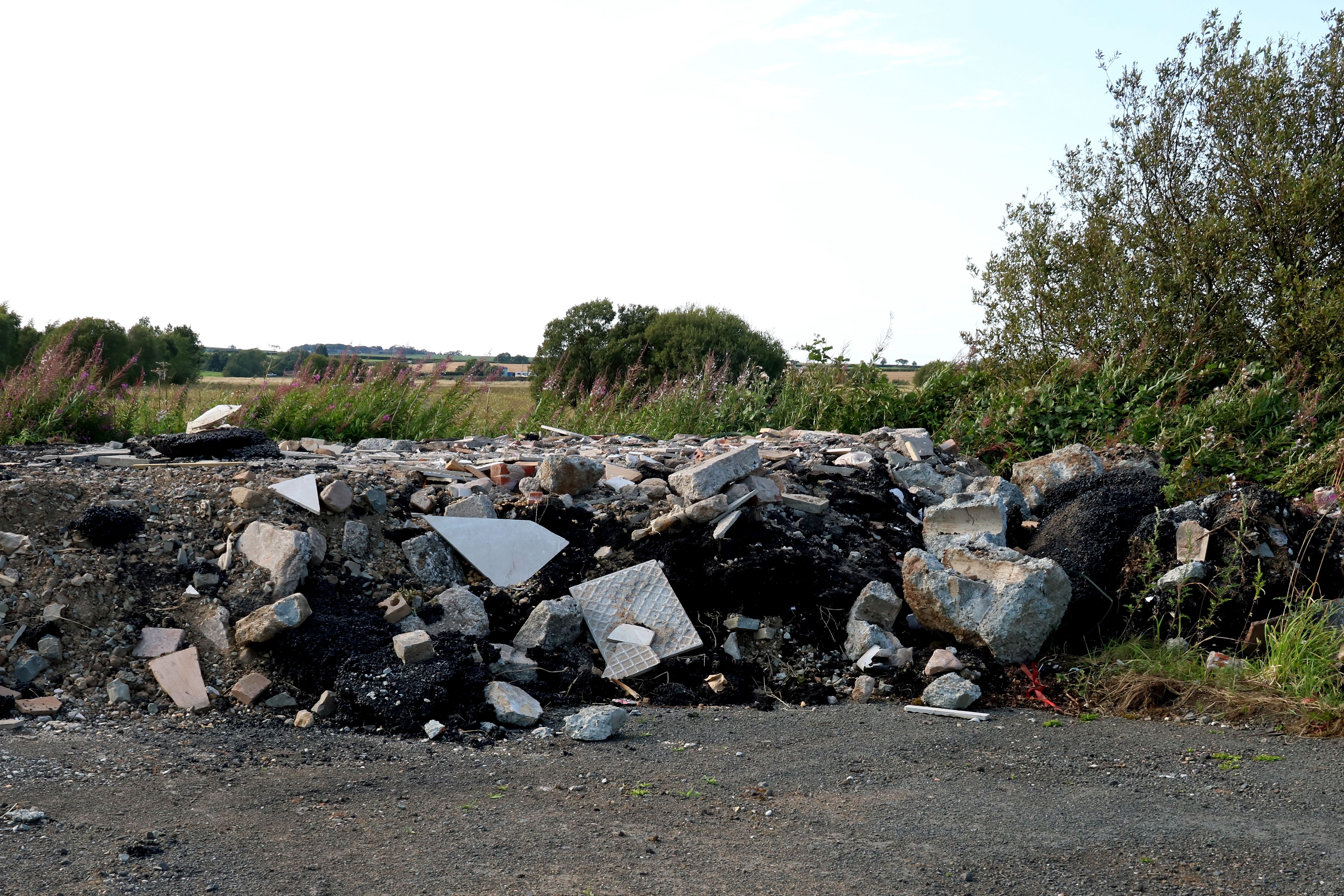
For eco-conscious homeowners, tile resurfacing is often the greener choice. It reduces waste by reusing existing materials. On the other hand, replacement may require more resources and generate more waste, impacting the environment.
Making a Decision
Ultimately, the decision between tile resurfacing and replacement depends on your specific circumstances, budget, and aesthetic goals. Consulting with a professional can provide valuable insights tailored to your home's needs.

Conclusion
Both tile resurfacing and replacement offer unique advantages. By weighing the pros and cons of each, Long Beach homeowners can make informed decisions that enhance the beauty and functionality of their spaces.