
The Environmental Benefits of Choosing Reglazing Over Replacement


Understanding Reglazing
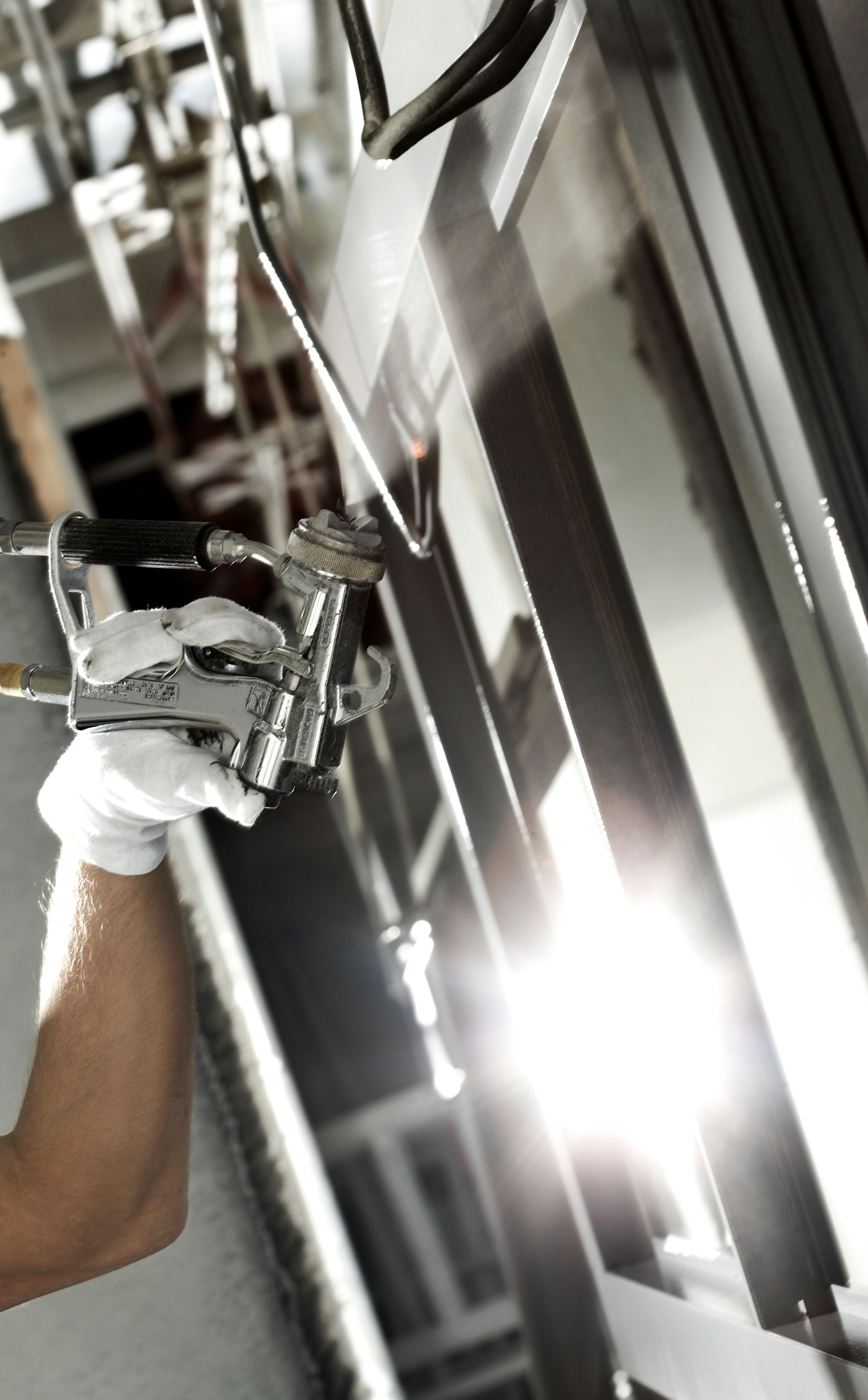
Reglazing, often referred to as refinishing, is a process that involves applying a new coating to worn-out surfaces, most commonly in bathrooms and kitchens. This method is particularly popular for bathtubs, sinks, and tiles. By choosing to reglaze rather than replace, homeowners can achieve a fresh, updated look without the waste associated with full replacements.
Reducing Waste and Landfill Contributions
One of the most significant environmental benefits of reglazing is the reduction in waste. When household items are replaced, the old items often end up in landfills. By opting for reglazing, we can significantly decrease the amount of material waste generated. This not only helps conserve landfill space but also minimizes the environmental impact associated with waste disposal.
For example, replacing a bathtub involves discarding the old tub, which is typically made of materials like porcelain and metal that do not decompose quickly. By contrast, reglazing uses minimal resources and extends the life of existing fixtures.
Conservation of Resources
Manufacturing new fixtures and appliances requires substantial resources, including raw materials and energy. By choosing reglazing, we reduce the demand for these resources. The energy used in producing new items is far greater than that used for reglazing, making it a more sustainable choice.

Moreover, reglazing typically involves using less material overall, further conserving resources. The coatings and finishes used in reglazing are applied in thin layers, reducing the consumption of raw materials compared to manufacturing entirely new products.
Lower Carbon Footprint
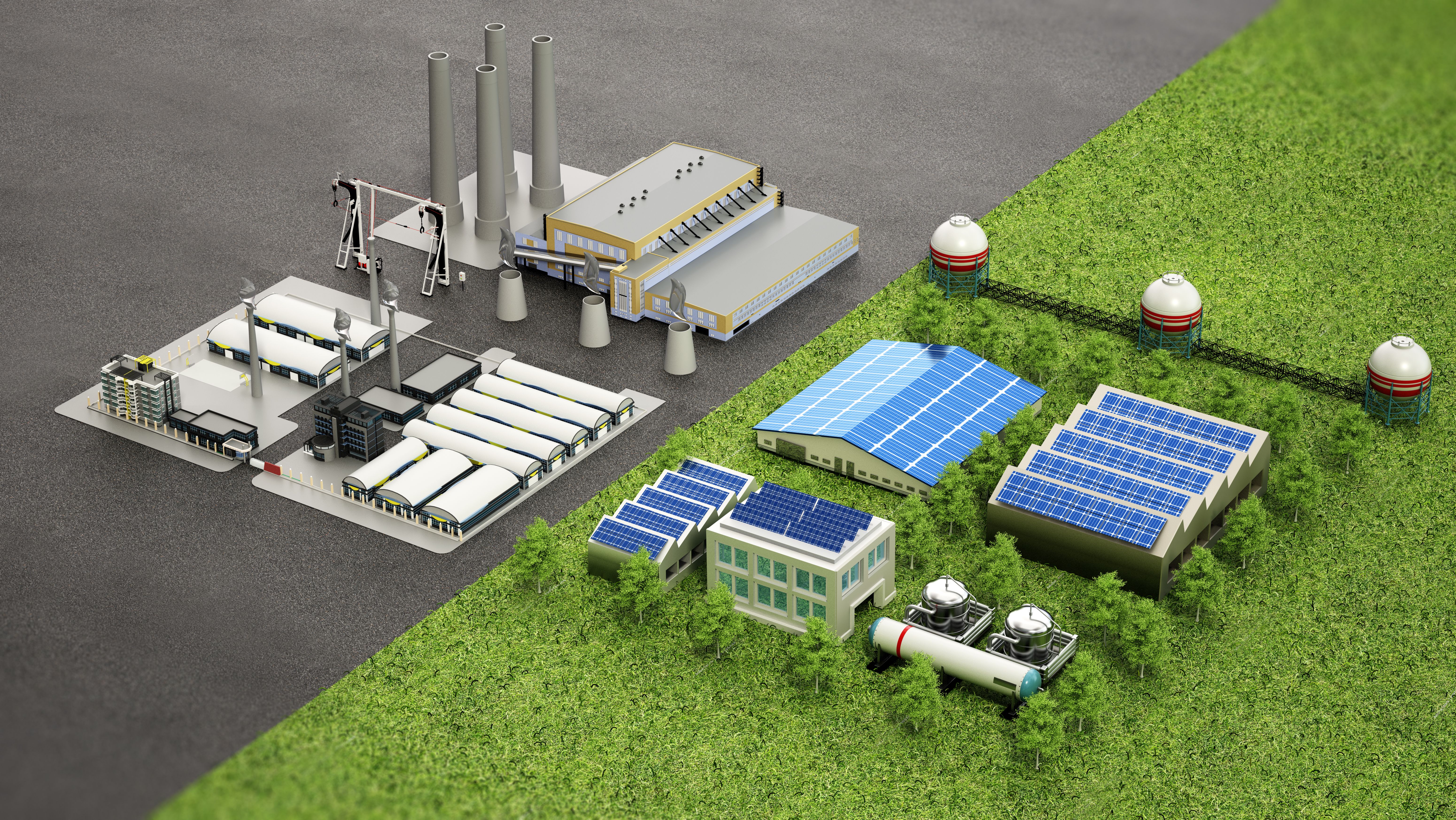
The production and transportation of new fixtures contribute to greenhouse gas emissions. Reglazing can significantly lower the carbon footprint associated with home renovations. By using existing materials and applying a new finish, we effectively reduce emissions related to manufacturing, packaging, and shipping new products.
This reduction in carbon emissions not only benefits the environment but also aligns with growing global efforts to combat climate change by minimizing our carbon footprints.
Economic Benefits for Homeowners
In addition to its environmental advantages, reglazing is also cost-effective. The process is generally much cheaper than purchasing and installing new fixtures. This economic benefit makes it an attractive option for homeowners looking to update their spaces without breaking the bank.
By saving money on bathroom or kitchen renovations, homeowners can allocate their resources towards other environmentally-friendly upgrades, such as energy-efficient appliances or sustainable landscaping.
Conclusion: Making a Sustainable Choice
Reglazing offers a practical and environmentally-friendly alternative to replacement. By reducing waste, conserving resources, lowering carbon emissions, and offering economic benefits, reglazing supports a more sustainable lifestyle. As we continue to prioritize environmental preservation, choosing methods like reglazing can make a significant difference.
Next time you're considering a home renovation project, think about the environmental benefits of reglazing. It's a simple choice that contributes positively to both your home and the planet.