
Common Myths About Reglazing: Debunking Misconceptions for Better Home Decisions


Understanding Reglazing: What It Really Is
Reglazing is a popular home improvement technique that offers a cost-effective way to rejuvenate bathtubs, tiles, and countertops. However, despite its growing popularity, many homeowners are still uncertain about what reglazing truly entails. Misconceptions can lead to hesitancy or misinformed decisions. This article aims to clear up common myths and help you make better decisions for your home.
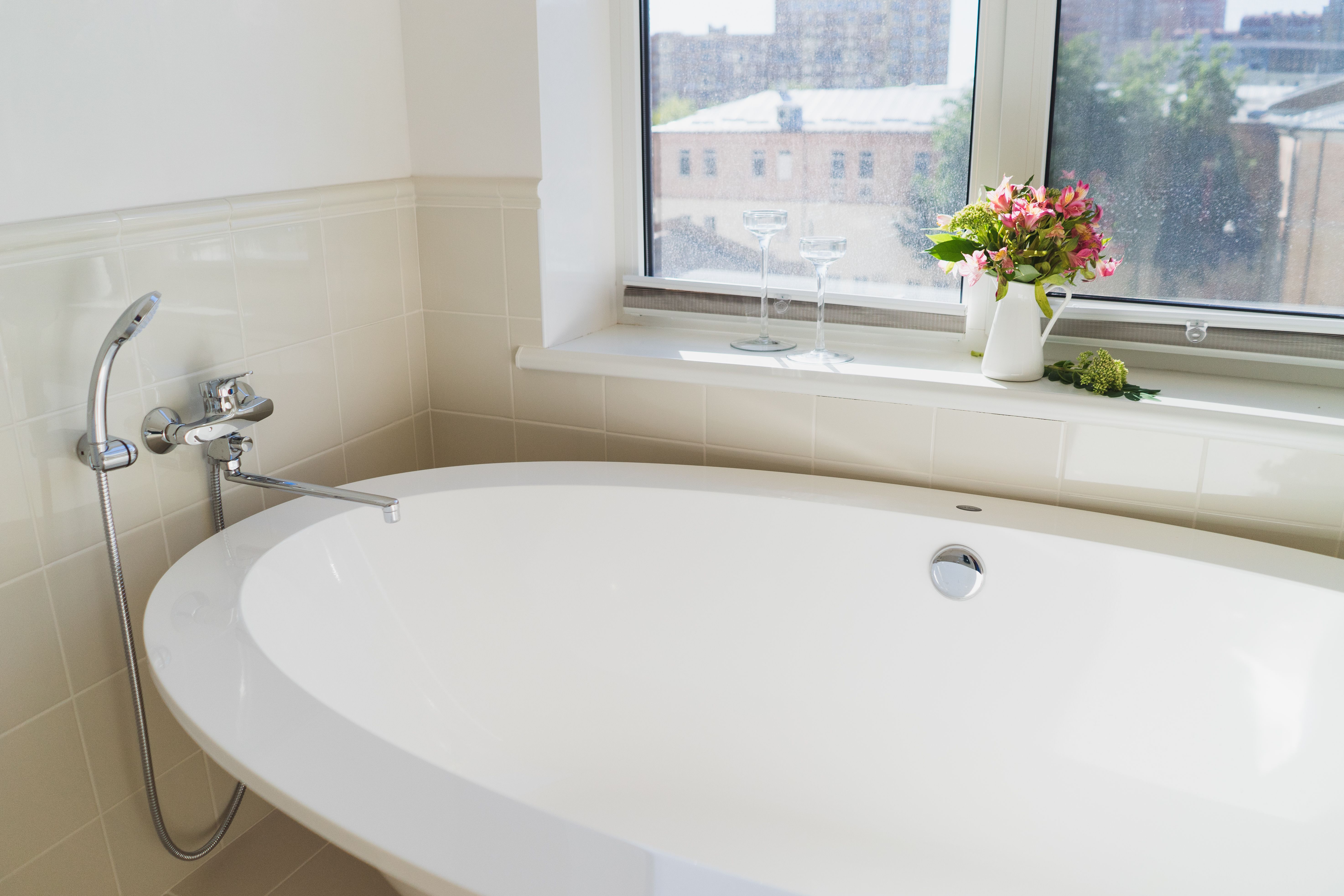
Myth 1: Reglazing Is Just a Coat of Paint
One of the most persistent myths is that reglazing is equivalent to painting a surface. In reality, reglazing involves a thorough process of cleaning, repairing, and applying a durable topcoat that can last for years. This is not a simple DIY project with a can of paint; it's a professional service designed to restore surfaces to their original glory.
The process starts with surface preparation, which includes removing old finishes and repairing chips and cracks. Only after these steps is the glaze applied, ensuring a smooth and resilient finish.
Myth 2: Reglazed Surfaces Are Not Durable
Another common misconception is that reglazed surfaces won't last long. While it's true that the longevity of reglazing depends on the quality of materials and the skill of the technician, when done correctly, reglazed surfaces can last as long as brand new installations. Proper maintenance further extends their lifespan.
Regular cleaning with non-abrasive products and avoiding harsh chemicals can keep your reglazed surfaces looking new for many years. Many professionals offer warranties on their work, which is a testament to the durability of the process when executed correctly.

Myth 3: Reglazing Is Only for Bathtubs
While bathtubs are often the focus of reglazing discussions, this technique is not limited to them. Reglazing can be applied to tiles, countertops, sinks, and even kitchen appliances. It's a versatile service that can update the look of various home fixtures without the need for costly replacements.
This flexibility makes reglazing an attractive option for homeowners looking to refresh multiple areas of their homes while staying within budget. Whether you're dealing with outdated bathroom tiles or worn kitchen countertops, reglazing can offer a fresh start.
Myth 4: Reglazing Is Not Eco-Friendly
Some believe that reglazing is harmful to the environment due to the chemicals involved. However, modern reglazing techniques use eco-friendly products and methods that minimize environmental impact. Furthermore, by choosing to reglaze instead of replacing fixtures, you reduce waste and conserve resources.
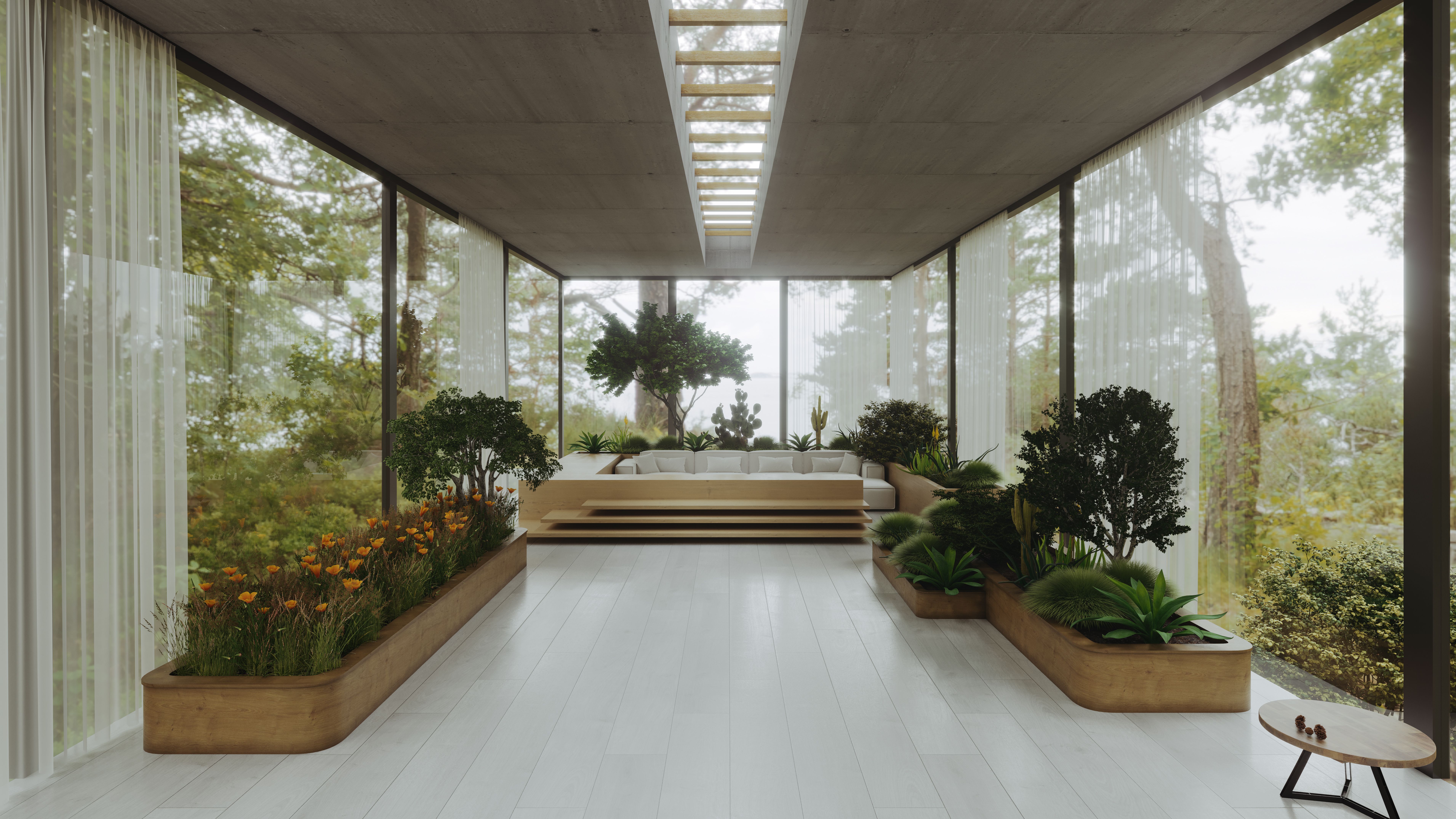
The process diverts large items from landfills and reduces the demand for new materials, making it a sustainable choice for environmentally-conscious homeowners.
Making Informed Decisions
Understanding the facts about reglazing can help you make informed decisions regarding home improvements. By debunking these myths, we hope to provide clarity and confidence in considering reglazing as a viable option for your home. When done by professionals, it offers a durable, cost-effective, and eco-friendly way to revitalize your spaces.
Before proceeding with a reglazing project, consult with experienced professionals who can assess your needs and provide tailored solutions. This ensures that you get the most out of your investment while enhancing the beauty and functionality of your home.